
 I read quite a bit of non-fiction. I enjoy learning things and because my age begins with a 4, I still like to learn things via books. I find that when I’m fixating on a particular subject for very long, books scratch an itch that I otherwise might not reach.
As a writer who reads quite a bit of non-fiction and has frequent fixations, I have long entertained the idea of writing a non-fiction book of my own. It’s sort of in the same dreamscape as writing a personal essay: I’m sure I could do it as soon as I got over the obstacle of not knowing how to do it, or in the case of the non-fiction book, not knowing how do it.
What is a non-fiction book, really? Just a 300 page research paper, but you’re allowed to have a sense of humor and a personality. Okay, I realize that still sounds like a drag, but narrative non-fiction would argue successfully against that assessment. The point is, I never had any trouble writing research papers, so I shouldn’t have any trouble writing a book-length one, right?
In theory, sure. My hang-ups, though, are related to topic. As in, I’d love to write a non-fiction book, but what would I write it about? Most folks who write non-fiction books have an area of expertise that they focus on, or they’re the inquisitive sort that want to learn all they can about something and then translate that learning for other curious people. I fall just a bit short in both of these areas. Nobody would consider me an expert in anything (other than self-sabotage and failure to thrive as an adult, but nobody wants to read about that), and while I am curious about a great many things, I don’t think I’m the sort of person gifted enough to translate that learning into writing that anyone would want to read. Also, the learning takes time and costs money. I’m a little short on both.
If I were to write a non-fiction book, it would most likely be pop culture related. Because what do I know? Reruns. My expertise lies in my ability to name guest stars in an episode of Gunsmoke or Murder, She Wrote that most people have never heard of. To be fair, my specific interests related to old TV shows are pretty niche, like ’70s cop shows. I can’t see that garnering much interest in the publishing trade.
But say I do try to write a book about ’70s cop shows. What’s my focus? Am I writing a reference guide to all of the cop shows produced in the ’70s? Or do I concentrate on how these shows amped up the copaganda in the wake of the rebellious ’60s as a way to subtly shift people back towards the status quo of authority? Am I smart enough to do write either of these books? Probably not. Also, the amount of research necessary for either venture is nothing short of daunting.
I’m not saying I wouldn’t enjoy myself. I’m just saying it’s a lot.
For now, the non-fiction dream remains a dream, but so long as I’m dreaming, the possibility of the dream becoming a reality stays alive.
 All the Beauty in the World: The Metropolitan Museum of Art and Me by Patrick Bringley- In the face of his older brother’s cancer diagnosis, Patrick Bringley leaves his fledgling career at The New Yorker and takes a job as a security guard at the Metropolitan Museum of Art. What was supposed to be a temporary solace becomes a second home for a decade. The book offers a behind-the-scenes look at a famous art museum’s inner workings as well as insight into some of the art and artists.
 Custodians of Wonder: Ancient Customs, Profound Traditions, and the Last People Keeping Them Alive by Eliot Stein- Eliot Stein takes a deep and vivid look at ten of the oldest and most endangered traditions in the world, including the world’s rarest pasta; saving a 700 year old soy sauce recipe’s secret ingredient; Scandinavia’s last night watchman; a tree with its own mailbox; and Cuba’s last official cigar factory readers.
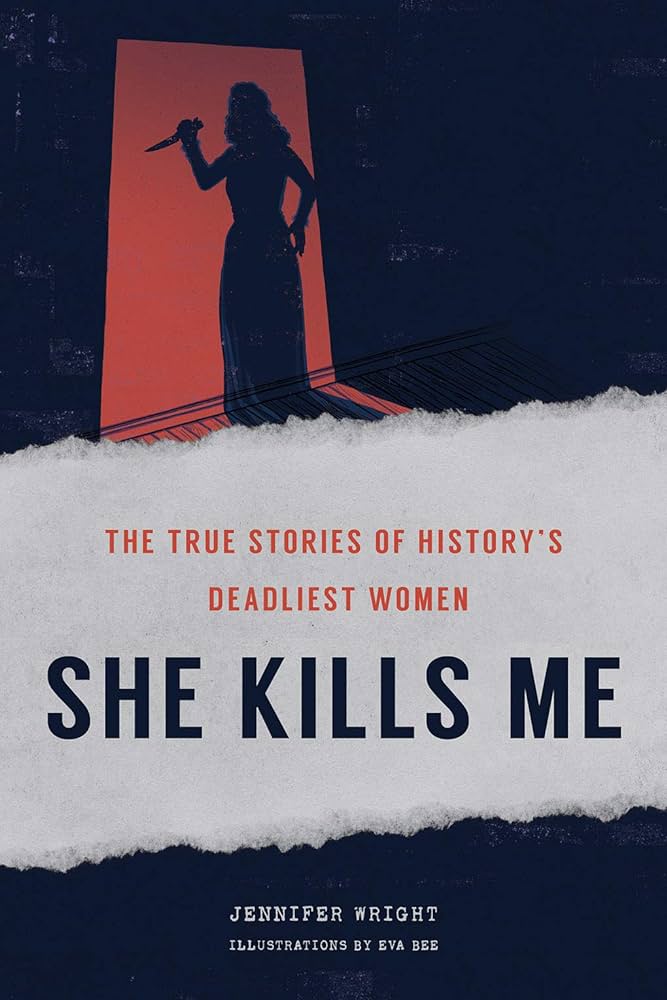 She Kills Me: The True Stories of History’s Deadliest Women by Jennifer Wright- Covering forty women, the book explains how they killed for a variety of reasons, including revenge, fear, necessity, and pleasure. Grouped by motives and/or means, there are poisoners, avenging angels, husband killers, family killers, mercenaries, women scorned, and women who would have made the grade on the ol’ psychopath test. Something for everyone, really.
 Unbecoming a Lady: The Forgotten Sluts and Shrews Who Shaped America by Therese O’Neill- It’s no secret that women tend to get left out of the history books. This book works to put 18 of them back in, so to speak. These are the women you wanted to learn about in history class because they were so ballsy that some of the milquetoast white guys you had to learn about would clutch their pearls in the presence of these women. In fact, some of them did because one of the women -Dr. Mary Edwards Walker- wore pants in public.
 What the Dead Know: Learning About Life as a New York City Death Investigator by Barbara Butcher- True Crime non-fiction with a memoir twist, Barbara Butcher was in the early stages of alcoholism recovery when she lucked into a job at the Medical Examiner’s Office and became the second woman death investigator in New York City. She loved the work and it turned out she was really good at it. It could be grueling, gruesome, morbid, and sometimes dangerous. It’s the kind of work that can only be compartmentalized for so long before that box breaks down.
 Personal Effects: What Recovering the Dead Teaches Me About Caring for the Living by Robert A. Jensen- Another book that’s part memoir, this one delves into the world of disaster recovery. Did you ever think about what happens after a major disaster like a tidal wave or airplane crash or building collapse? Someone has to go in there to retrieve the bodies and their possessions. Robert Jensen is the owner of the world’s largest disaster management company. He and his teams do the unthinkable: recover the dead after a mass casualty event. His team has responded to incidents all over the world, including 9/11, the Bali Bombings, the 2004 South Asian Tsunami, and the 2010 Haitian Earthquake, working to give the survivors what they can of the victims.
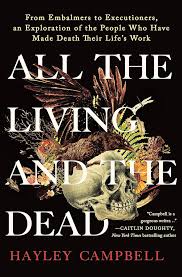 All the Living and the Dead by Hayley Campbell- This book covers all of the death-related careers you could think of and a few that you never dreamed of. There are the traditional jobs like funeral directors, embalmers, and grave diggers. Then there are the jobs that you’d rather not think about like executioners and crime scene cleaners. There are jobs that are kind of far out there like in cryogenics. And then there are the gigs that you didn’t even know existed. Did you know people still make death masks?
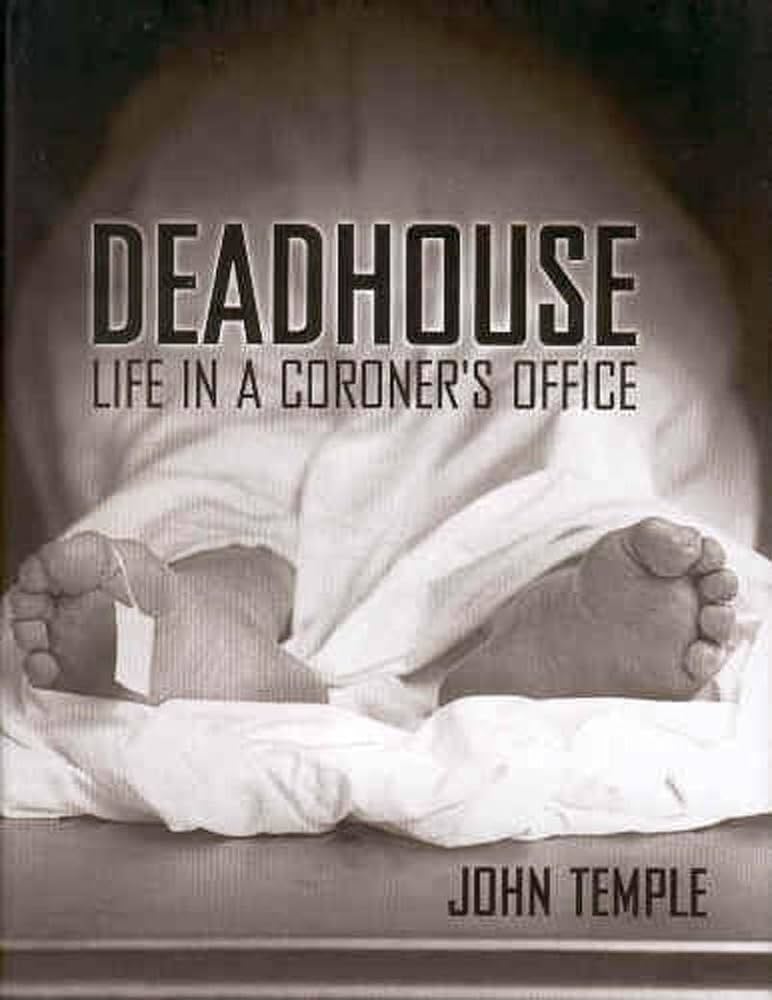 Deadhouse: Life in a Coroner’s Office by John Temple- The book follows three deputy coroners -Ed Strimlan, Mike Chichwak, and Tiffani Hunt- working in a coroner’s office in Pittsburgh. We get to know them, their work, their coworkers, some history of both the field and the area they work, and of course, some grisly details about the cases they investigate -and all the hang-ups that come along with investigating, like the sights, the smells, and the politics.
 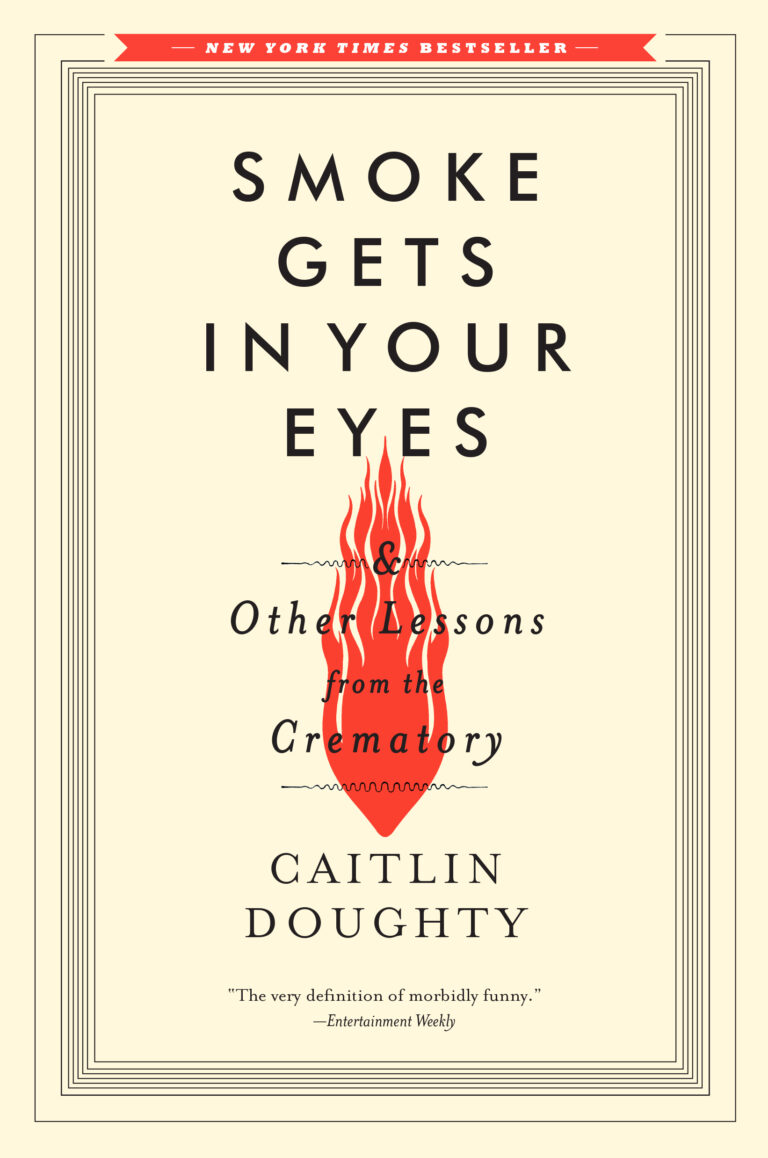 Smoke Gets In Your Eyes & Other Lessons From the Crematory by Caitlin Doughty- As a twenty-something with a degree in medieval history and flair for the morbid, Caitlin Doughty took a job in a crematory and quickly found herself pursuing her life’s work. The book provides explanations of the cremation practice, some history involving how people lay their dead to rest, and answers questions you didn’t know you needed the answers to, like how many bodies can you fit in a Dodge van and how do you get cremains out of your clothes?
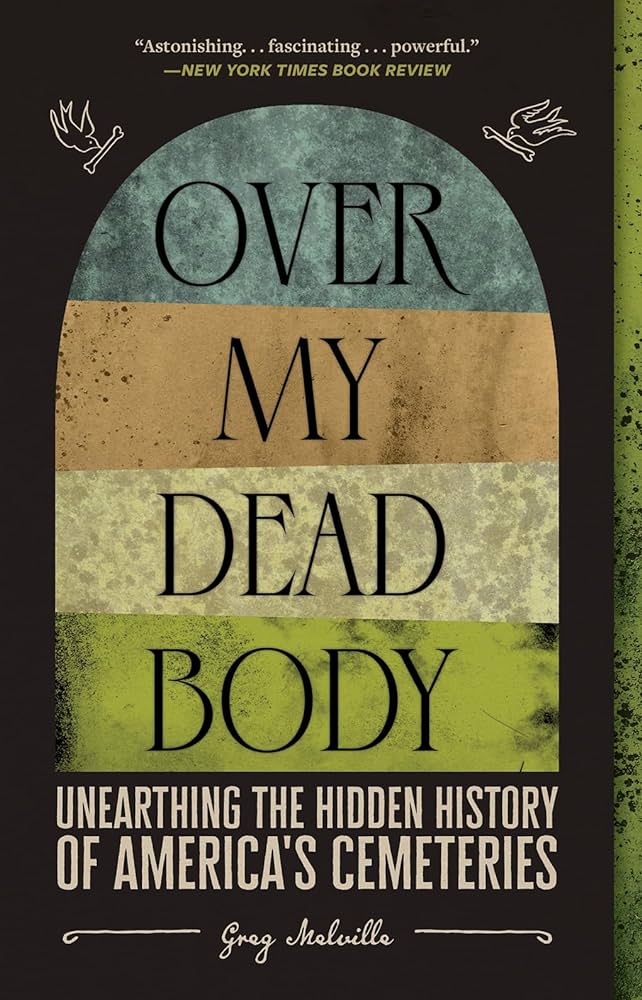 Over My Dead Body: Unearthing the Hidden Histories of America’s Cemeteries by Greg Melville- Working in his hometown cemetery in college led Greg Melville to ponder the rich history of America’s burial grounds. He visited several for the book, including Arlington, Hollywood Forever, Boothill Cemetery, Colonial Jewish Burial Ground, Central Park, and Chapel of the Chimes. Each place of eternal rest exhumed more and more of our country’s history and the final resting places of our dead.



 Kiki Writes About...